**American Airlines’ Endeavor for Excellence: Tackling Service Discrepancies**
American Airlines is striving to reinvent itself as a premium airline to boost its financial success. This strategic evolution seeks to appeal to more refined travelers willing to invest in enhanced service and amenities. Nevertheless, a major challenge in this transition is the variability in service offered by frontline staff, which can jeopardize the airline’s premium objectives.
The source of this variability does not lie with the employees but with the insufficient guidance from management. Unlike rivals Delta and United, American Airlines has not successfully conveyed a unified vision that staff can support. This absence of clarity leaves many employees disengaged and unaware of the vital importance of customer service in luring and retaining passengers.
While Delta and United might use grand assertions to elevate their image, like United’s CEO Scott Kirby proclaiming it the finest airline in history, these tactics help foster a cohesive company culture. In contrast, American Airlines grapples with conflicting messages and a lack of coherence, resulting in diverse customer experiences.
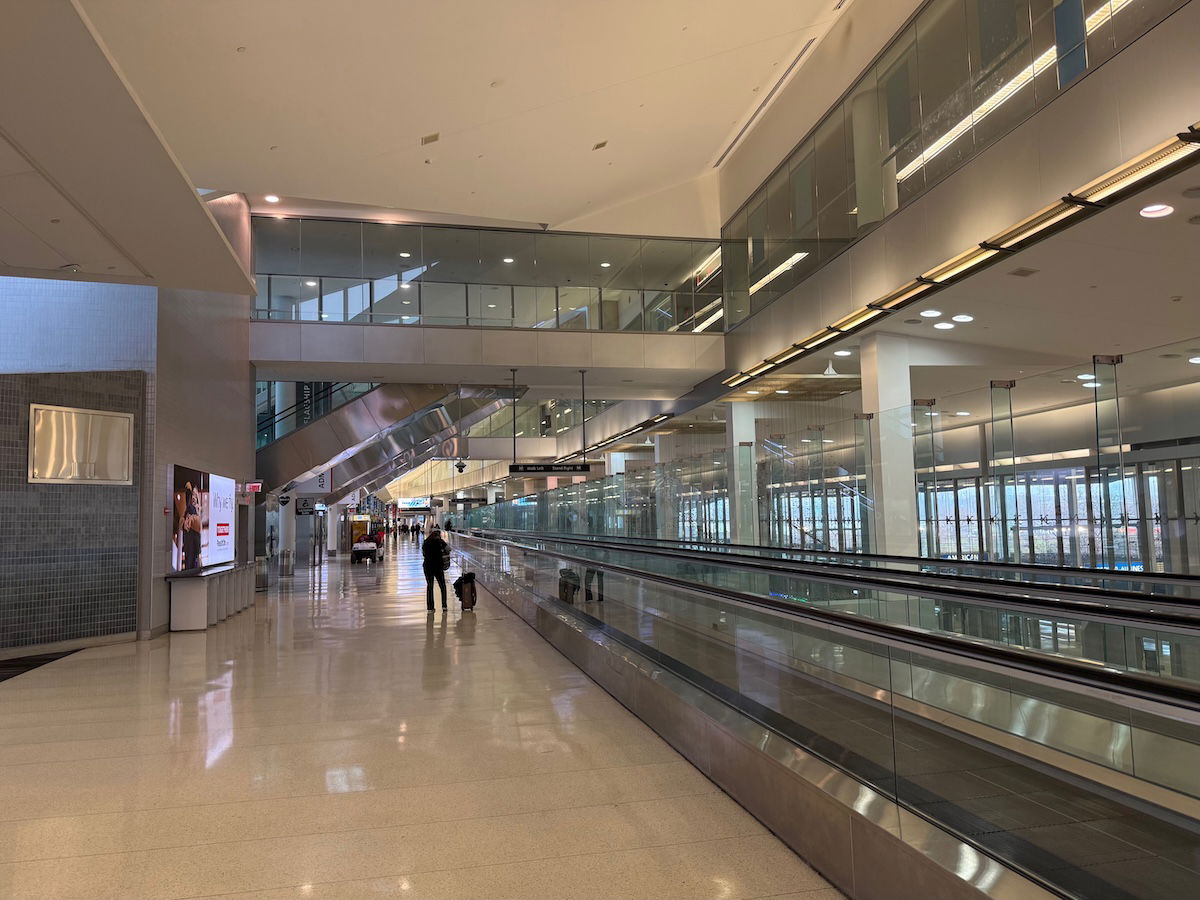
A recent trip through Philadelphia Airport (PHL) emphasized this variability. At the American priority check-in area, an experience with a less-than-enthusiastic agent highlighted the shortcomings of American’s service. Although the issue was ultimately settled, the agent’s attitude left a lot to be desired, causing the customer to feel more like an inconvenience than a treasured passenger.
On the other hand, an encounter with Roseann at the A-West Admirals Club showcased the strengths of American’s service. Her friendliness, professionalism, and eagerness to exceed expectations exemplified the possibilities for outstanding customer service within the airline. Roseann’s demeanor made travelers feel appreciated and valued, providing a stark contrast to other experiences.
This inconsistency in service quality highlights the necessity for American Airlines to nurture a reliable service culture. As the airline aims to establish itself as a premium carrier, it must prioritize the training and empowerment of employees to consistently provide exceptional service. Staff members like Roseann, who represent the airline’s potential, should be utilized to mentor and motivate their peers.
In conclusion, American Airlines’ path towards becoming a premium airline hinges on rectifying service discrepancies. By creating a clear vision and promoting a culture of outstanding service, American can synchronize its workforce with its premium aspirations. This change will not only elevate customer satisfaction but also reinforce American’s standing in the competitive airline market.