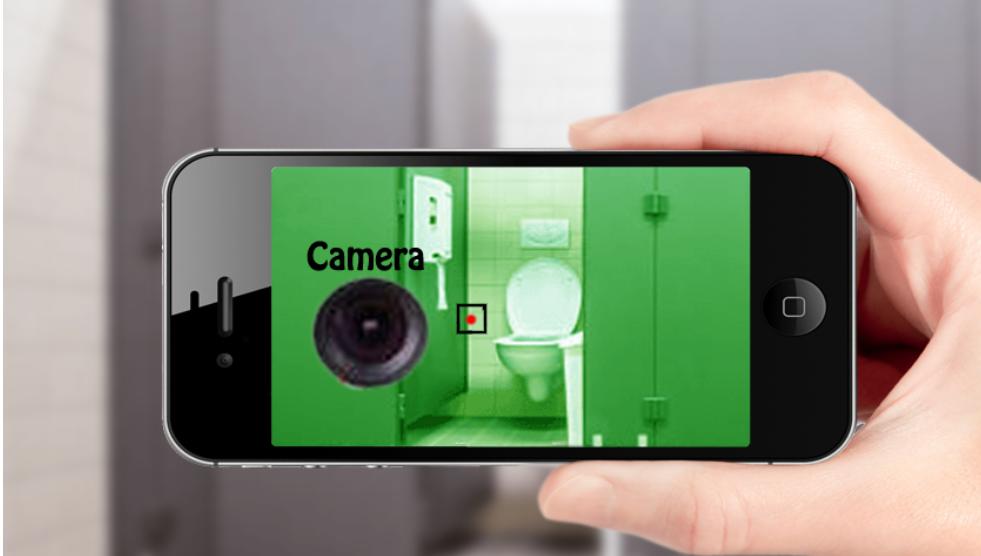
It may sound like something out of a spy novel, but discovering concealed cameras in hotels and various rental accommodations is becoming increasingly common. Cameras are becoming smaller and better disguised; however, the tools available to find them have also significantly improved.
Visual Inspection
The initial step is to utilize one of the most advanced lenses available – your eyes. Search for objects that seem out of place, don’t align with the room’s decor or design, or are otherwise duplicated. For instance, there might be two alarm clocks (with one tucked away in a drawer). Hotels typically purchase furnishings and accessories in bulk, so any brand differences, especially in larger establishments, should be noticeable.
Examine the room closely and scrutinize anything you find suspicious.
Know The Lenses
Concealed cameras and microphones can resemble various everyday items. It’s important to recognize that wall chargers, TV remotes, smoke detectors, and alarm clocks (among others) are frequently used forms. All of these varieties of hidden cameras and microphones can be acquired online, are easily accessible, and typically cost $150 or less.
They are quite advanced, capable of streaming directly to an application being used by the spy, as well as possessing a built-in SD card. Employ your visual inspection to carefully examine these items – which might genuinely function as the devices they imitate – and look for any additional pinholes or glass covers.
Detector Time
Once you’ve completed your visual inspection, you can utilize a device like the K18 or X13 bug detector. The K18 is slightly more powerful, but both devices can detect radio waves that a smoke detector typically wouldn’t emit. Even if it is a smoke detector that uses Wi-Fi for monitoring, a hidden camera detector can highlight such devices for you to investigate further.
Remote controls can be particularly deceptive as we expect them to emit some level of waves that could trigger our detector. Once again, that’s where your vision comes into play. Pay attention to areas where someone is most likely to plant a bug – such as bathrooms and bedrooms, remain vigilant, and after a 10-minute inspection for electronic bugs, you can proceed to check for bed bugs.