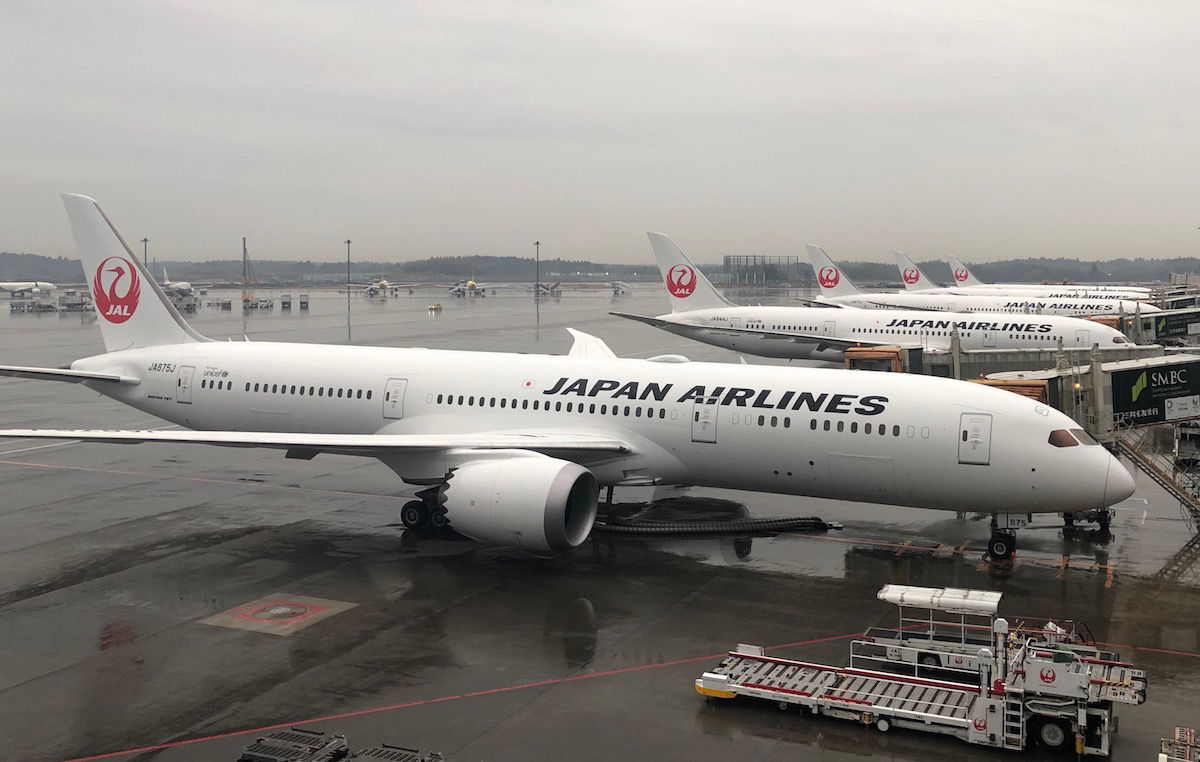
In recent times, global travel has gained notable traction among the youth in the United States. This phenomenon is partly fueled by the belief that owning a home is out of reach because of affordability challenges, prompting many to favor experiences such as travel over long-term fiscal objectives. Nonetheless, this pattern is not uniform, as seen in Japan, where Japan Airlines (JAL) confronts a distinct hurdle: Japanese youth are choosing domestic travel over international excursions.
Japan Airlines’ President Mitsuko Tottori has voiced apprehension about this transition, underscoring the potential adverse repercussions for the Japanese economy if the youth do not pursue international travel. The depreciated Japanese Yen has rendered overseas trips costly for Japanese travelers, intensifying the dilemma. In reaction, JAL has launched programs such as the DREAM MILES PASS and JAL Card Skymate to facilitate more affordable international travel for the younger demographic. Furthermore, the airline has initiated promotional efforts, including adorning an aircraft with a design featuring baseball icon Shohei Ohtani, to motivate international travel.
Although the reduction in international travel among Japan’s youth could pose difficulties for airlines, it might not be as harmful to the overall economy. The weakened Yen makes Japan an appealing location for foreign tourists, enhancing domestic tourism and generating substantial revenue. This surge of international visitors, coupled with local travel by Japanese citizens, bolsters the regional economy.
Specific destinations, like Hawaii, have felt significant effects from the decrease in Japanese tourists. The interplay of a weak Yen, elevated hotel prices in the U.S., and shifting travel inclinations among younger generations has resulted in diminished demand. It remains unclear if this tendency will change in the upcoming years.
In summary, while Japan Airlines is worried about the lack of international travel among young Japanese individuals, the overall economic implications may not be as grave as expected. The existing scenario reflects the divergent travel patterns between Japan and the United States, where young individuals are keen to explore global locations. The challenge for airlines such as JAL is to discover ways to boost the appetite for international travel while also leveraging the advantages brought by domestic and inbound tourism.