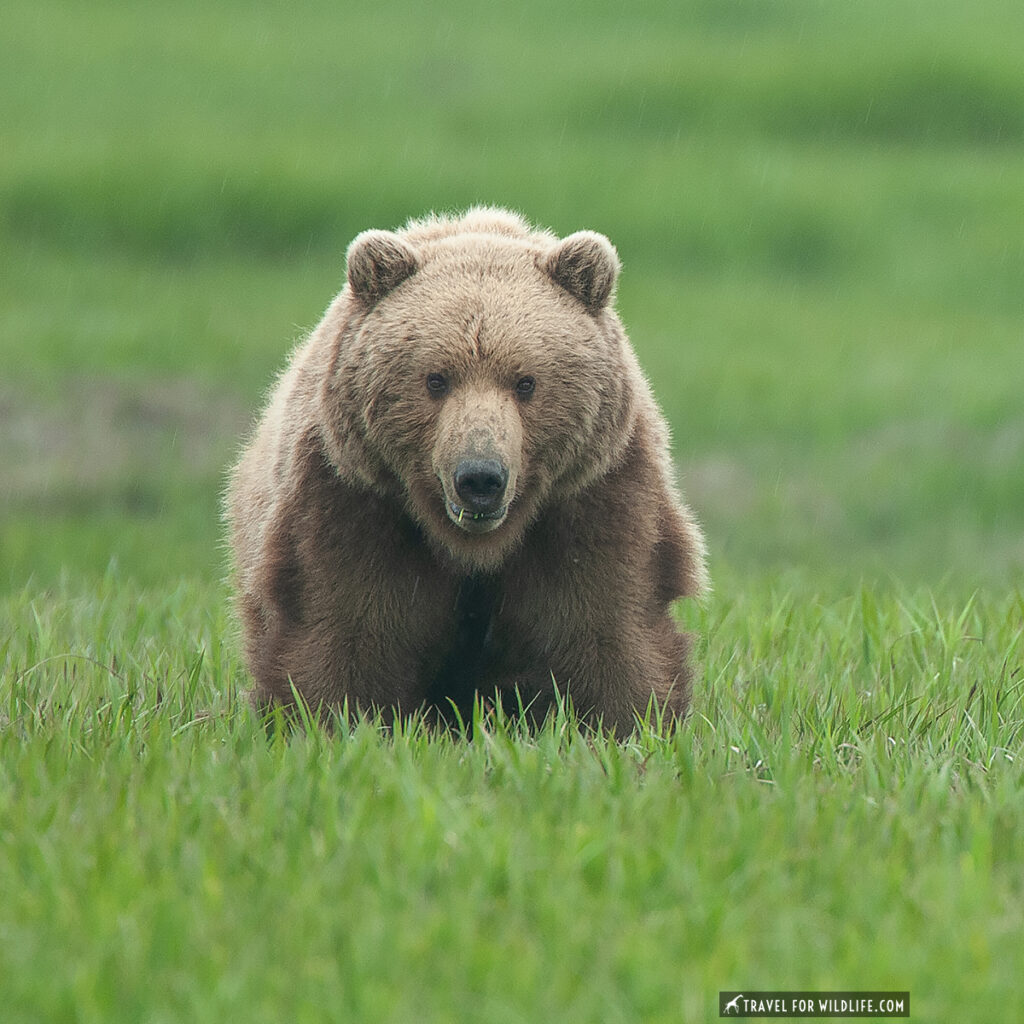
Bear Safety Recommendations: Hiking and Camping in Bear Territory
Before embarking on a hike, you typically plan your route, schedule, and what essentials to bring, correct? You should also consider how to hike (or camp) safely in the presence of wildlife, particularly bears. It may seem that bears are only found in places like Yellowstone, the Smoky Mountains, or Alaska. However, bears inhabit a much larger region. Were you aware that black bears can be found in 40 out of the 50 states in the US?
The territories of black bears and grizzly bears are expanding each year, so prior to venturing into the wild, ensure you verify if it’s bear territory. If so, continue reading for our safety guidelines on how to hike in bear territory.
Never assume that because it’s chilly, bears will be hidden away in their dens. Just last month (in November), we spotted a family of 5 bears in our backyard in the North Carolina mountains. Additionally, grizzly bears may emerge from hibernation as early as March in Yellowstone.
Always carry bear spray and familiarize yourself with its use before you head out on your adventure. Bear spray is prohibited on flights, so if you are traveling by air, you will need to purchase it locally. REI stocks them. View the video at the conclusion of this post to learn how to properly use bear spray. *Do not activate the bear spray indoors*, practice using it outside.
NEVER EVER feed a bear, approach one, attempt to take a selfie with it, or try to pet it. If you are in a national park and witness someone doing this, take a picture (aim to include the license plate number) and report them to the office. A bear that becomes accustomed to human food may ultimately face lethal consequences.
Hiking in Bear Territory
– If you encounter a bear before it sees you: remain still, do not approach, and relish the sight. If it heads in your direction, ensure it is aware of your presence by loudly stating “Hey Bear.” The bear will likely retreat. Failing to announce your presence could startle the bear when it’s too close, prompting a violent reaction. Once the bear moves away, quietly retreat in the opposite direction.
– If you meet a bear that knows you are there: do not run; running could trigger a chase instinct. Slowly back away in the opposite direction and wait for the bear to depart.
– Stay vigilant of your surroundings, make noise intermittently, and avoid using earbuds.
– Do not hike by yourself.
– Keep children within your line of sight.
– Make noise in thick vegetation.
– Be especially cautious when gathering berries or nuts, as bears are searching for them too!
– Always KEEP YOUR PETS ON A LEASH or leave them at home. Dogs can provoke bears and cause stress, which may lead to a bear attacking your dog.
– Do not litter. Take your garbage with you. Allowing bears to become reliant on human food sources increases the likelihood of dangerous interactions with people.
– Avoid placing yourself between a mother and her cub. A mother bear will defend her cub if she feels it is threatened. If you see a cub, always be on the lookout for the mother bear.
Camping in Bear Territory
– Set up backcountry camps in locations away from dense vegetation and natural food sources.
– Maintain a clean campsite. Do not leave food unattended and always secure it (in the vehicle, or in a bear-proof container) if you venture out for a hike.
– Do not keep any items that emit food odors or toiletries in your tent. This includes snacks, toothpaste, deodorant, sodas, lip balm, sunscreen, and bug spray.
– If camping with a pet and requiring a litter box in the tent, use unscented litter and keep it tidy. Avoid giving pet treats as well.
– If car camping, store food and toiletries in a locked vehicle and ensure all windows are closed. Bears have figured out how to open unlocked cars and shatter windows.
– If backpacking, suspend food and toiletries at least 10 feet above the ground and 10 feet away from any part of the tree. Some parks implement a designated system. Regulations can vary from park to park, so always check the guidelines at the park entrance.
Cooking in Bear Territory
– While cooking, do not dispose of food waste in your fire (or outside the fire). No bean sauce, meat fat, or anything similar.
– Cook away from your tent to avoid drawing bears near your sleeping area. Many areas suggest a “bear-muda triangle” method, where your tent is at one corner (preferably upwind), your food storage at another corner, and your cooking area at the third, spaced by 100 yards. A variation places your