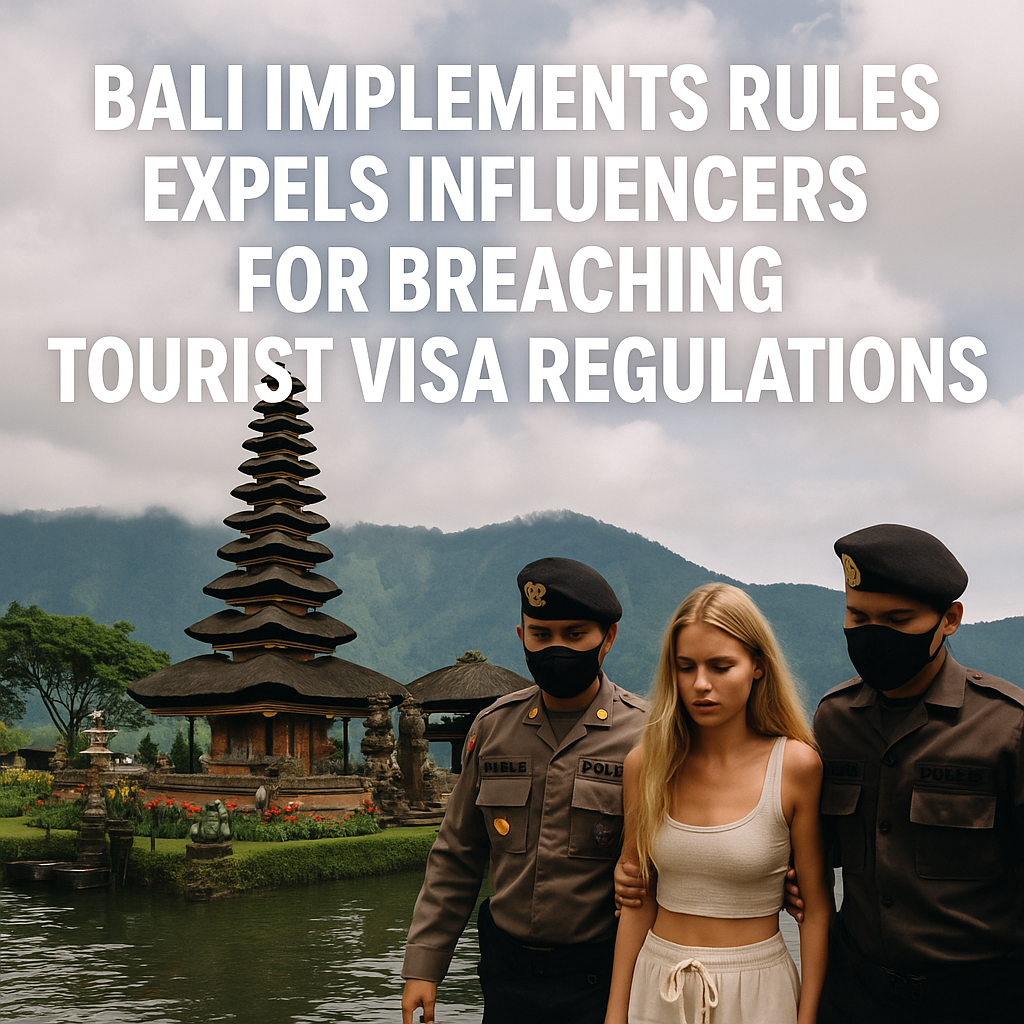
Some nations have established governmental task forces to tackle drug-related issues, whereas Bali has formed a task force specifically to target influencers. This situation is somewhat intricate, yet I suspect many may experience a certain satisfaction from it.
Task force apprehends Bali influencers, holds and expels them
When visiting another nation, a visa may occasionally be necessary. The specific visa type you require hinges on the reason for your visit, with numerous countries providing tourist visas, work visas, and others.
The challenge is that this distinction has significantly blurred in recent years due to the rise of remote work. Is a work visa only required if you receive payment locally? Or what if your visit to a country serves to generate income in some capacity?
This is precisely the concern that authorities in Bali are addressing, as the region has evolved into a hub for influencers over time. Indonesian immigration officials have set a strict standard regarding what is deemed work, encompassing nearly all activities performed by influencers.
The premise is that if you engage in any brand collaborations, upload sponsored posts on social media, participate in photography gigs, or even arrange for complimentary lodging in return for content, a work visa is now mandated. Even unpaid promotional photos intended to enhance an influencer’s portfolio are classified as commercial activities, necessitating a work permit or remote worker visa.
Ultimately, anything that produces economic value is subject to the work visa requirement. Historically, many influencers believed that as long as they were not receiving direct payment locally, it didn’t qualify as work. However, regulators have clarified that even in the absence of financial transactions, economic value can still be generated.
This is not merely a theoretical regulation; the Dharma Dewata Immigration Patrol Task Force was established in April 2026 and is actively apprehending and deporting individuals who breach these regulations. They are patrolling popular influencer hotspots and even monitoring social media content.
In the initial weeks, 62 influencers were detained, with some facing fines, deportation, or both. They are also subjected to entry bans lasting several years.
Public opinion is divided, and this issue is multifaceted
As anticipated, opinions on this new policy are diverse. It’s amusing to witness the reactions on social media platforms—some self-important influencers express outrage, claiming such regulations will precipitate Bali’s decline, while others react with sheer joy.
Fairly speaking, Bali’s government does facilitate obtaining a remote work visa. It’s simply more costly, and it isn’t unreasonable for the government to wish to secure additional funds from those generating income while in Bali, instead of just depending on tourist spending.
However, this matter isn’t straightforward, and many individuals genuinely lack clarity regarding the rules, which vary significantly between nations. For instance, if you travel somewhere and receive local payment for your work there, it undoubtedly qualifies as work, making enforcement justifiable.
Reflecting on my own experience—I enjoy traveling with airlines and staying at various hotels, exploring those experiences globally. Although I’m not being compensated locally, by Bali’s standards, they would likely require me to acquire a work visa.
This raises concerns when any activity yielding economic value is deemed work. For instance, imagine you regularly post on X and participate in their creator revenue sharing program, receiving a portion of ad revenue based on views for your posts.
Suppose you typically discuss politics on X and travel to Bali for a vacation. Then you post a picture of a beautiful sunset, with no intention of treating it as a business trip. Technically, you’re creating economic value, right? Does this obligate you to obtain a work visa?
Conclusion
Bali is renowned for its breathtaking scenery… a place often overwhelmed by influencers. The government of Bali is exasperated, and the primary issue revolves around individuals being on inappropriate visas.
Nevertheless, the government employs a more stringent definition regarding the activities that qualify as work compared to some other locations. Bali has determined that all actions producing economic value necessitate a work visa. In recent weeks, numerous influencers have faced detention and deportation, and it seems enforcement will only increase over time.
What are your thoughts on Bali’s crackdown on influencers?