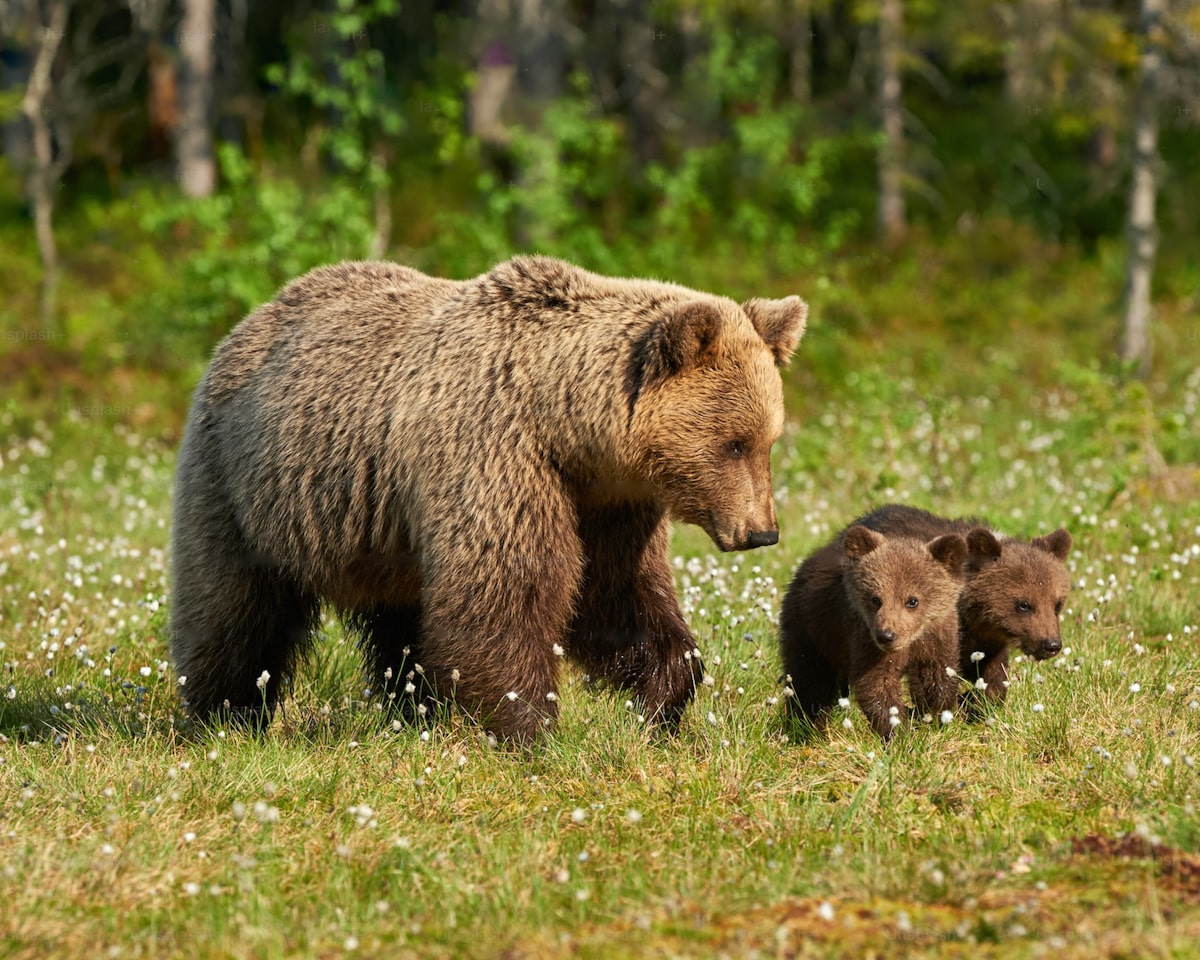
Bear Safety Guidelines: Trekking and Camping in Bear Territory
Prior to embarking on a hike, it’s essential to plan your destination, timing, and what to bring, correct? Additionally, you should prepare to hike (or camp) safely in the presence of wildlife, particularly bears. It may appear that bears are only found in places like Yellowstone, the Smoky Mountains, or Alaska. However, bears inhabit a far larger area. Did you realize that black bears are located in 40 out of the 50 states in the US?
The territories of black bears and grizzly bears are expanding year by year, so before heading into the wild, ensure you verify if you’re entering bear territory. If so, continue reading for our safety recommendations on how to hike in bear areas.
Don’t presume that bears will be hidden in their dens just because it’s chilly. Just last month (in November), we had a family of five bears visiting our yard in the mountains of North Carolina. Moreover, grizzly bears can emerge from hibernation as early as March in Yellowstone.
Always carry bear spray and familiarize yourself with its usage prior to your journey. Bear spray cannot be taken on airplanes, so if you’re flying to your destination, you’ll need to purchase it locally. REI stocks them. Watch the video at the conclusion of this post to learn how to utilize bear spray. *Do not discharge bear spray indoors*, practice using it outdoors.
NEVER EVER feed a bear, approach it, attempt to take a selfie with a bear, or try to pet it. If you are in a national park and witness someone doing this, take a picture (make sure to include the license plate number) and report them to the office. A bear that has been fed is a bear that is likely to be killed.
Trekking in Bear Territory
– If you spot a bear before it sees you: remain still, do not approach, and savor the moment. If the bear is moving towards you, make sure it is aware of your presence by announcing yourself with a loud and clear “Hey Bear”. The bear will probably turn around. If you don’t announce yourself, you may startle the bear when it’s too near, causing it to react aggressively. Once the bear moves away, quietly retreat in the opposite direction.
– If you come across a bear that knows you’re there: do not run; running might provoke a chase response. Back away slowly in the opposite direction and wait for the bear to depart.
– Stay cognizant of your environment, try to make noise periodically, and avoid using earbuds.
– Avoid hiking solo.
– Keep children in view at all times.
– Make noise in dense vegetation.
– Be particularly alert when searching for berries or nuts. Bears are doing the same!
– Always KEEP YOUR PETS ON A LEASH or leave them at home. Dogs can disturb bears and create stress, which may lead a bear to attack your dog.
– Do not litter. Pack out all your waste. Allowing bears to become accustomed to human food sources increases the likelihood of dangerous encounters with people.
– Don’t get in between a mother bear and her cub. If a mother bear perceives her cub to be in danger, she will defend it. Always be vigilant and look for the mother when you see a cub.
Camping in Bear Territory
– Establish backcountry camps away from dense underbrush and natural food sources.
– Maintain a clean campsite. Avoid leaving food exposed, and always secure it (in the vehicle, or in a bear-proof container) when you go hiking.
– Do not keep items that emit food scents or toiletries in your tent. No snacks, no toothpaste, no deodorant, no sodas, no lip balm, no sunscreen, no bug spray.
– If camping with pets and need a litter box in the tent, use unscented litter and maintain cleanliness. No pet treats either.
– For car camping, store food and toiletries inside a locked vehicle and ensure all windows are shut. Bears have figured out how to open unlocked vehicles and break through windows.
– When backpacking, hang food and toiletries at least 10 feet off the ground and 10 feet away from any part of the tree. Some parks already have a system in place for this. Regulations may vary from one national park to another, so always check the guidelines at the park entrance.
Cooking in Bear Territory
– While cooking, do not dispose of food scraps into the fire (or outside of it either). No bean sauce, meat fat, or anything else.
– Cook away from your tent to prevent attracting bears to your sleeping area. Many locations suggest a “bear-muda triangle” method, with your tent at one corner (preferably upwind), your food storage at another corner, and your cooking area at the third, with at least 100 yards between each area. One variation places your