Fuel management is an essential component of flight operations, guaranteeing that aircraft possess adequate fuel not just to arrive at their destination but also to cope with unforeseen circumstances like adverse weather or the necessity for diversions. This procedure requires careful calculations and considerations by both dispatchers and pilots prior to a flight’s departure.
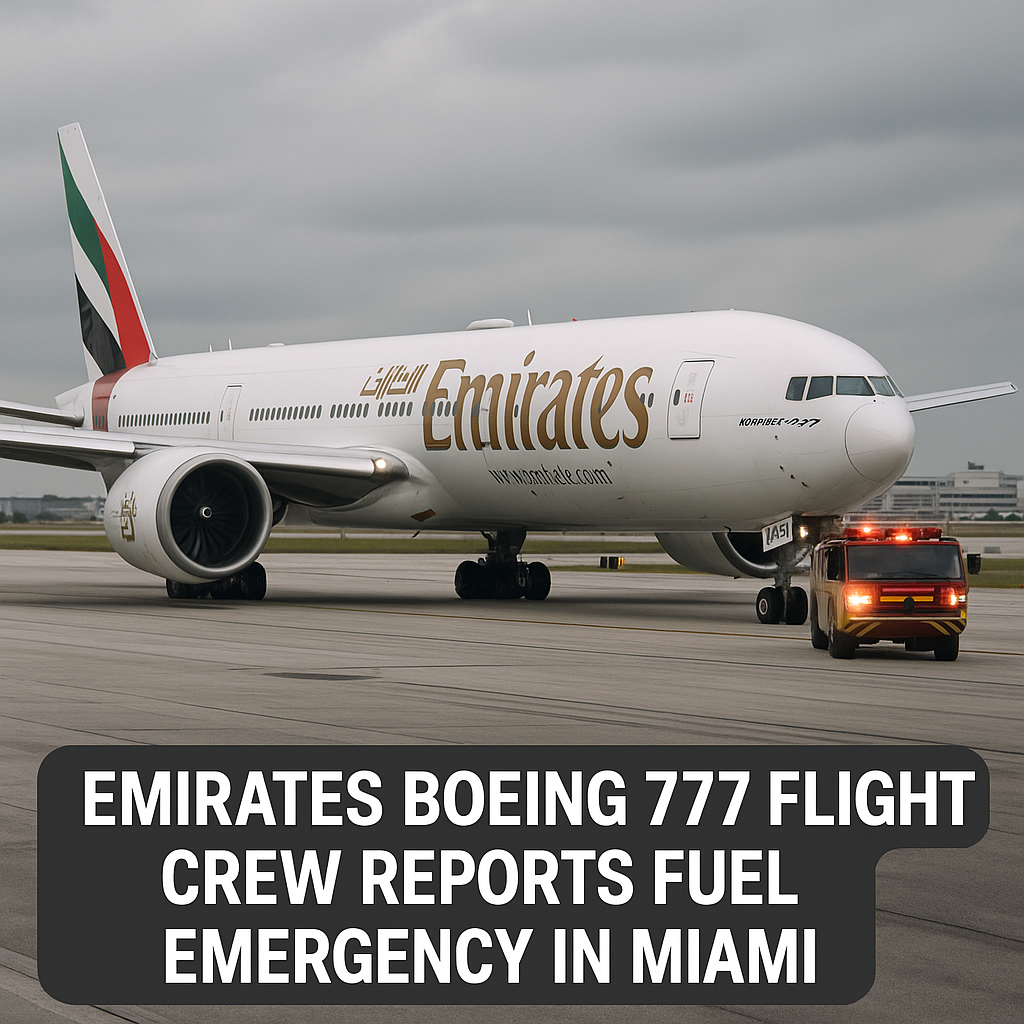
A recent occurrence involving Emirates flight EK213 from Dubai to Miami emphasizes the significance of fuel management. The Boeing 777-300ER, which traveled a distance of 7,845 miles, encountered challenges that prolonged its flight time beyond the scheduled 15 hours and 45 minutes. Due to intense headwinds and weather conditions, the flight exceeded 17 hours, resulting in a declaration of fuel emergency.
The flight faced poor weather conditions as it neared Miami, requiring two go-arounds because of low visibility and wind shear. Initially, the pilots contemplated diverting to Fort Lauderdale but were recommended to make another attempt at landing in Miami. After the second go-around, they declared emergency fuel, prioritizing their landing.
This scenario highlights the intricacies of fuel management, particularly on long-haul flights. Pilots must consider a variety of factors, including possible detours and holding patterns, to maintain safety and adhere to regulations. The incident is a reminder of the vital role that fuel planning plays in ensuring aviation safety.