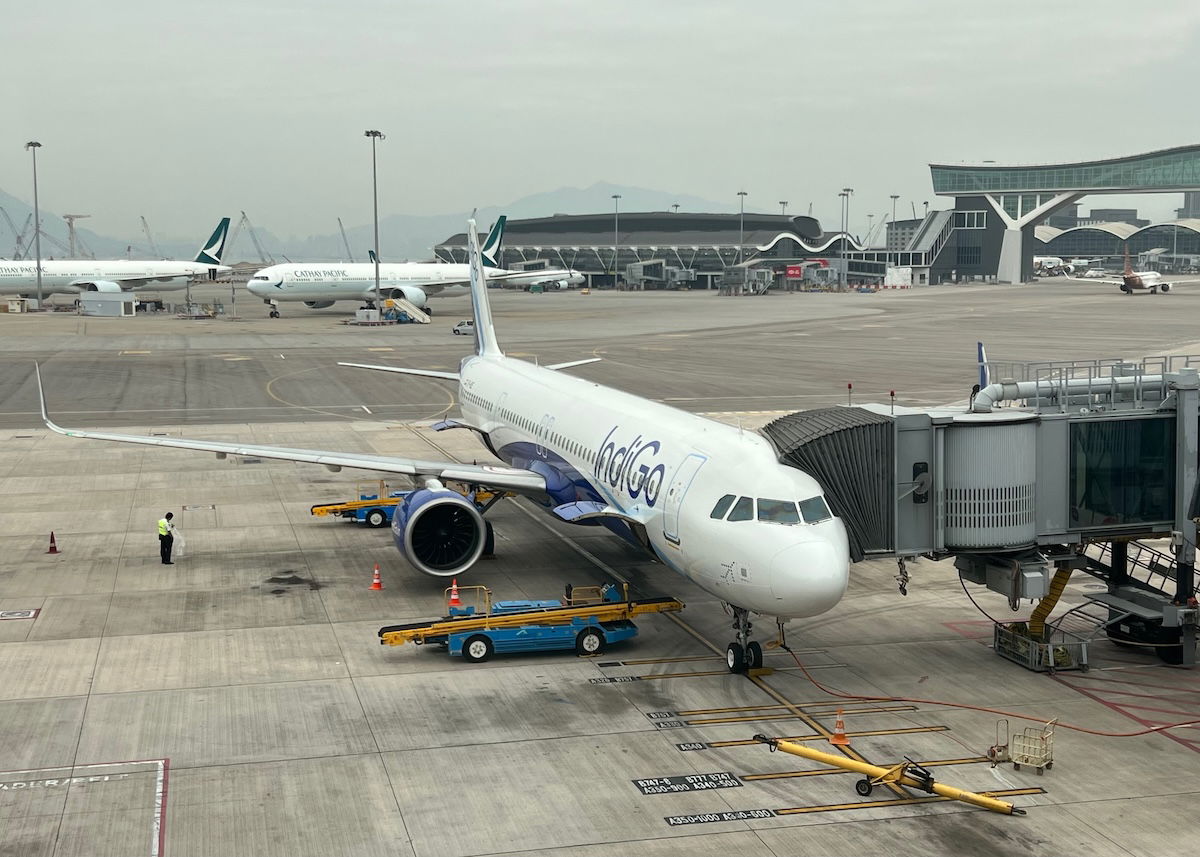
IndiGo, the largest airline in India, is encountering a major operational crisis, having canceled over 1,000 flights, including all services from its New Delhi hub. This disruption, now in its fourth consecutive day, is mainly attributed to new pilot fatigue regulations that necessitate longer rest periods and impose stricter limits on nighttime operations. Despite having several months for preparation, IndiGo’s planning was insufficient, worsened by technological failures, scheduling alterations, bad weather, and overcrowding.
CEO Pieter Elbers mentioned these factors, but regulators attribute the crisis to deficiencies in the airline’s planning. Initially, IndiGo expected to return to regular operations by February 2026; however, with regulators temporarily easing crew rest requirements, the airline now hopes to achieve stability between December 10 and 15, 2025.
This predicament is especially embarrassing for IndiGo, recognized for its operational reliability. The airline’s miscalculation is unexpected, and the response has faced criticism for inadequate communication and assistance to passengers. The disorder at airports has resulted in frustration, with passengers misplacing their anger on frontline staff, who are not at fault for the situation.
IndiGo’s breakdown demonstrates the ramifications of poor preparation for regulatory changes. While the airline is now tackling the issues more earnestly, the incident emphasizes the necessity of solid operational strategies within the aviation sector.