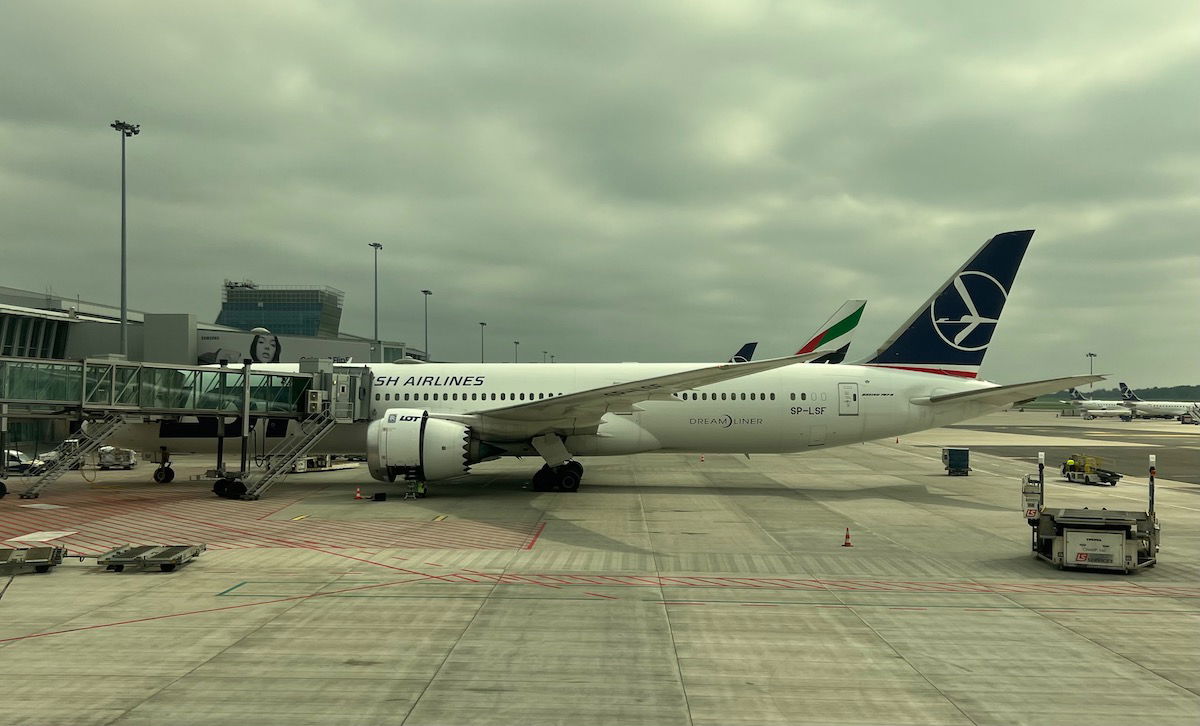
There are more than 10,000 air traffic controllers across the United States, responsible for maintaining the safety and efficiency of air travel. Among these individuals, one air traffic controller at New York’s Kennedy Airport has become well-known for his unique style, particularly regarding his interactions with pilots. A recent occurrence involving this controller and a LOT Polish Airlines flight showcases his authoritative manner.
On November 18, 2025, at approximately 11 PM, LOT Polish Airlines flight LO27 was getting ready to depart from JFK to Warsaw. As the Boeing 787 Dreamliner was taxiing, the pilot asked for a two-minute delay for cabin readiness. Regardless, the controller granted takeoff clearance a minute later. The pilot then requested an extra minute, likely due to unexpected factors such as a passenger matter.
While it is typical for pilots to be ready upon reaching the runway to prevent delays, this situation was not during peak times, and there was no major queue. Nonetheless, the controller directed the LOT aircraft to enter the runway, exit a few taxiways later, and re-enter the takeoff sequence. When the pilot indicated readiness prior to entering the runway, the controller persisted in adhering to the initial commands, resulting in unnecessary complication and congestion.
This event highlights the controller’s inclination to assert authority, even when simpler alternatives might exist. In comparison, a similar scenario at Newark Airport was managed with greater flexibility, as the controller there dealt with a pilot mistake with understanding and clear direction.
In the end, while the JFK controller’s actions were in line with protocol, they reflected a strict approach that complicated the circumstance. This incident prompts discussions about finding a balance between authority and practicality in air traffic control communications.