High Jet Fuel Prices Endanger Global Airline Stability
The aviation sector is encountering a major obstacle as skyrocketing jet fuel costs jeopardize the financial health of airlines across the globe. With oil prices staying elevated, airlines are finding it hard to remain profitable, with some potentially facing the threat of shutting down. This predicament has resulted in reduced capacity for certain airlines, as they struggle increasingly to operate profitably in the current environment.
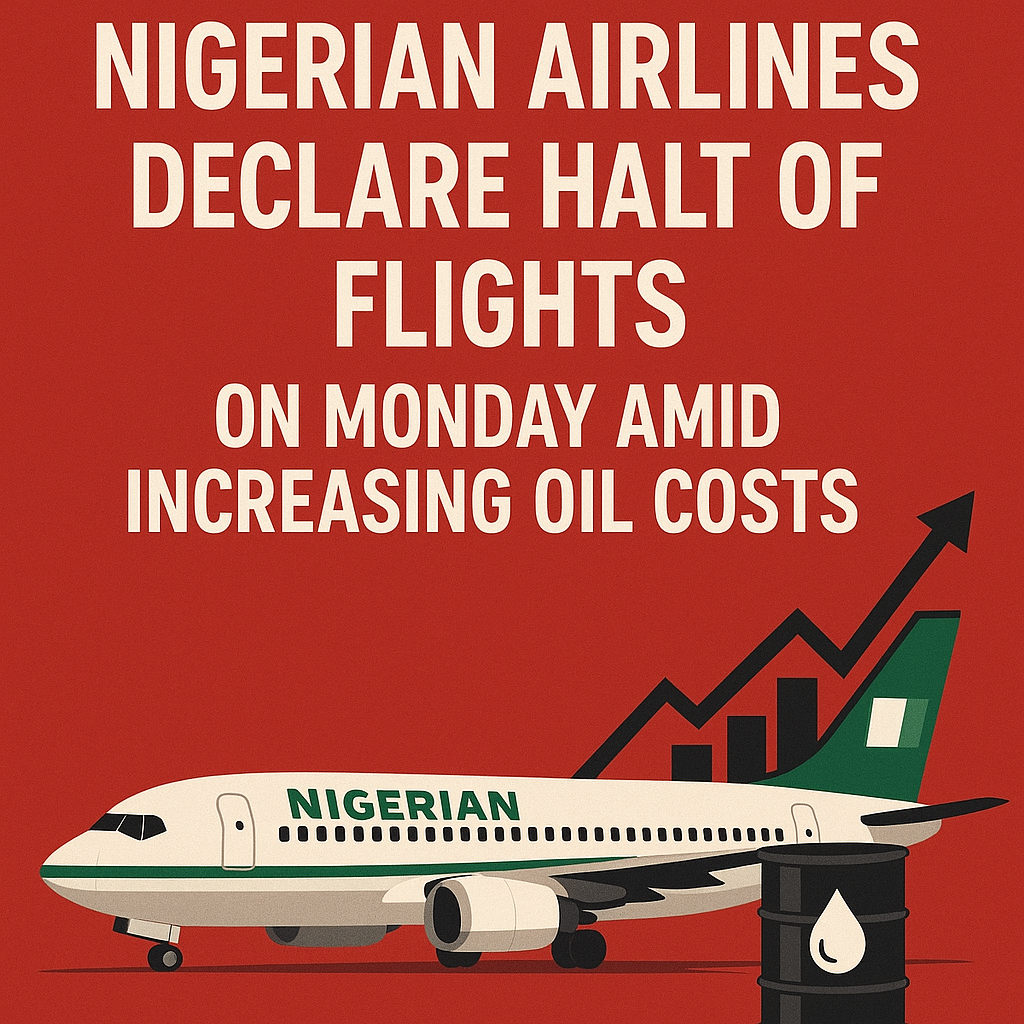
A particularly acute instance of this predicament is emerging in Nigeria, where domestic airlines are close to ceasing all operations due to the untenable expense of jet fuel. The Airline Operators of Nigeria (AON), which represents nearly a dozen airlines, has indicated that they will stop domestic flights starting April 20, 2026, unless there is a noteworthy decrease in fuel prices. Since late February 2026, jet fuel prices in Nigeria have skyrocketed by about 270%, with prices climbing from ₦900 ($0.67) per liter to ₦3,300 ($2.46). This represents nearly $10 per gallon, a crippling figure for the aviation industry, which utilizes around 2.1 million liters of jet fuel daily.
The AON accuses the Major Energies Marketers Association of Nigeria (MEMAN) of artificially boosting prices, claiming that airline revenues are insufficient to cover fuel expenses on their own. MEMAN, on the other hand, contests these assertions, indicating that the prices presented by AON are 40% higher than the market average and emphasizing the specialized nature of jet fuel distribution as a contributing factor to costs.
In response to escalating fuel prices, Nigerian airlines have raised ticket prices, but this has resulted in diminished demand, leading to a precarious situation where elevated prices do not necessarily translate to increased revenues. The prospect of a complete suspension of domestic flights is viewed by some as a strategic tactic to exert pressure on the government to take measures to reduce fuel costs.
While the chance of a nationwide flight suspension is concerning, it remains uncertain whether Nigerian airlines will implement this extreme action. The situation highlights the wider challenges that the global aviation sector faces as it contends with high fuel prices and seeks sustainable solutions to ensure ongoing operations and financial stability.