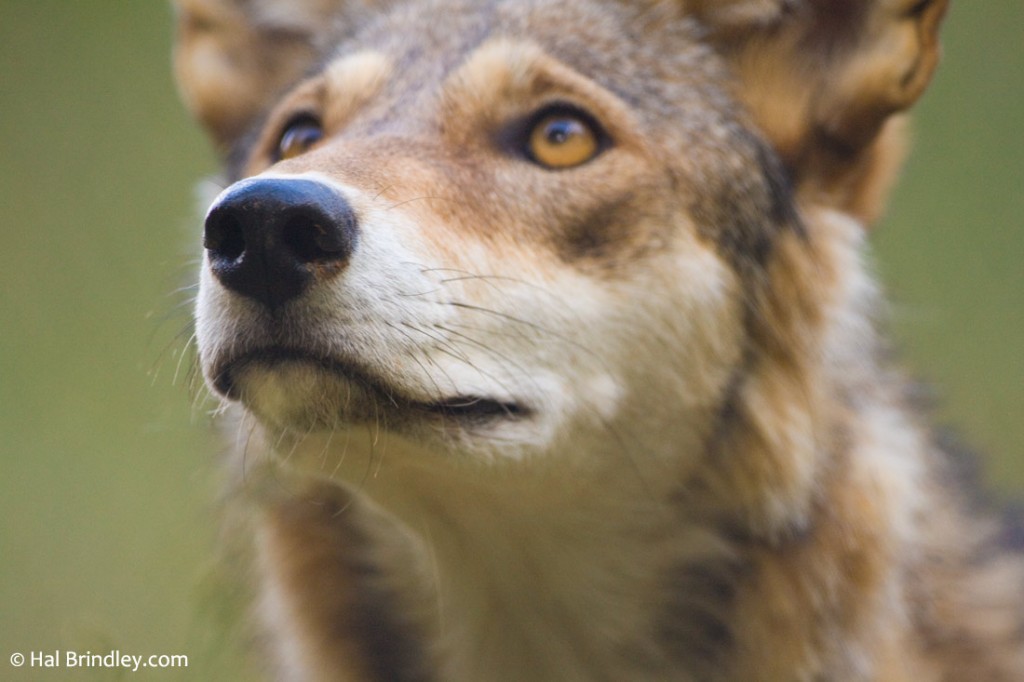
The red wolf, scientifically referred to as Canis rufus, ranks among the most endangered canids globally, with a wild population numbering fewer than 100 individuals residing along the North Carolina coast. In an effort to support the recovery of this critically endangered species, a Species Survival Plan (SSP) captive breeding initiative was initiated. The WNC Nature Center in Asheville, North Carolina, is one of the facilities engaged in this recovery mission.
On April 28, 2023, the WNC Nature Center commemorated the arrival of nine red wolf pups born to Oak and Gloria, two three-year-old wolves. These pups are anticipated to leave their den and start exploring their enclosure shortly, giving visitors a rare chance to observe these exceptional animals up close. The Nature Center houses seven endangered red wolves, including Mayo, a red wolf that previously delivered a litter of four puppies in 2012, making a substantial contribution to the genetic diversity of the species.
Encountering a red wolf in its natural habitat is a rare event, with occasional sightings reported at the Alligator River National Wildlife Refuge. For those keen on observing red wolves, visiting a zoo or nature center participating in the captive breeding program is the most viable option. The Red Wolf Coalition offers a list of 42 accredited facilities across the U.S. where red wolves can be observed.
Cristina Garcia, a wildlife photographer and zoologist, has collaborated extensively with various wildlife species, including wolves. She is associated with SEE Turtles, a non-profit organization focused on sea turtle conservation. Her efforts and contributions to wildlife conservation can be further explored through her writings at Travel For Wildlife and her initiatives at Truly Wild and Our Wild Yard.