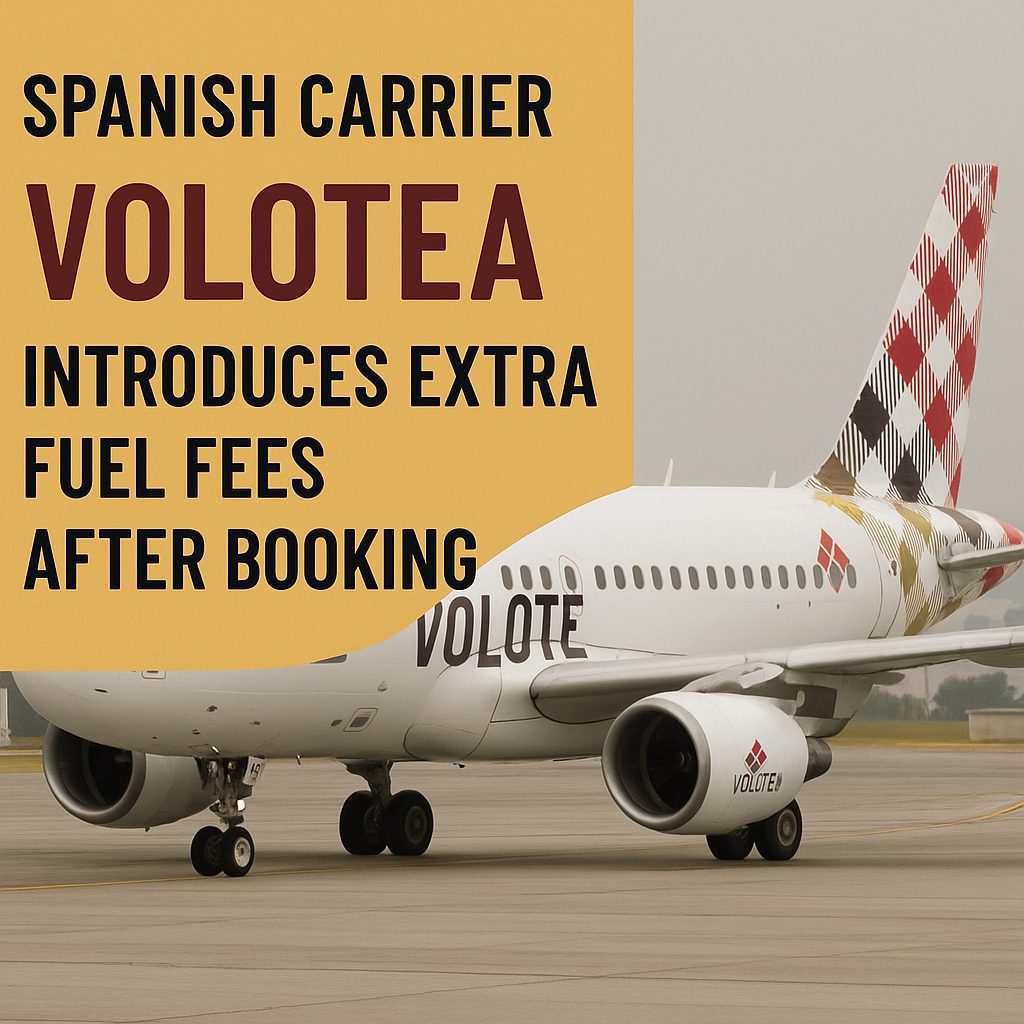
At present, airlines are encountering major difficulties due to the effects of escalating oil prices on their operational expenses. The pricing of airfare doesn’t correlate directly with the cost of delivering transportation but is instead influenced by what customers are prepared to spend. This frequently leads to a situation where numerous tickets are sold at a deficit. As a result, airlines are exposed to the volatility of oil prices, which can either enhance or impair their financial outcomes.
Nonetheless, different airlines manage this risk differently. The Spanish low-cost airline Volotea has adopted a distinct method for handling fluctuations in fuel costs. The airline has established its “Fair Travel Promise,” which permits modifications to ticket prices contingent on current fuel expenses. When purchasing a ticket, travelers are made aware that up to seven days prior to departure, the airline may impose an additional charge of up to €9 per flight if oil prices rise. In contrast, if fuel costs decline, passengers might receive a refund for the difference.
Volotea’s contract of carriage states that in cases of significant changes in fuel prices, the airline may implement a temporary modification to ticket prices. This modification is determined using a methodology available on Volotea’s website, ensuring clarity. Travelers are notified of possible price changes during the booking process, enabling them to make well-informed choices. By finalizing their purchase, travelers acknowledge and accept the potential for price modifications.
This policy is atypical in the airline sector, where pricing is generally influenced by market demand instead of the service provision costs. While the idea of adjusting fares based on oil prices is theoretically valid, uncertainties persist regarding the specific criteria for these adjustments and the frequency of refunds issued when fuel prices decrease.
In conclusion, Volotea’s strategy for addressing fuel cost fluctuations is unique, allowing the airline to impose an additional fee for fuel following bookings. This policy, despite being contentious, provides a level of clarity and adaptability that is rare in the sector. What is your opinion on Volotea’s “fuel cost adjustment” policy?