**Global Aviation Challenges: Middle Eastern Airlines Look to Sri Lanka as a Possible Hub**
In the past few weeks, the global aviation industry has encountered significant difficulties, especially for airlines operating from the Middle East. Esteemed carriers like Emirates and Qatar Airways have historically been the foundation of international travel, capitalizing on the secure and strategic locations of their home bases. Nonetheless, recent geopolitical conflicts have tested this equilibrium, with Gulf airlines regularly halting operations due to missile threats. This situation has ignited conversations on whether these airlines might pursue creative solutions to sustain continuous operations.
**Sri Lanka Presents a Strategic Alternative**
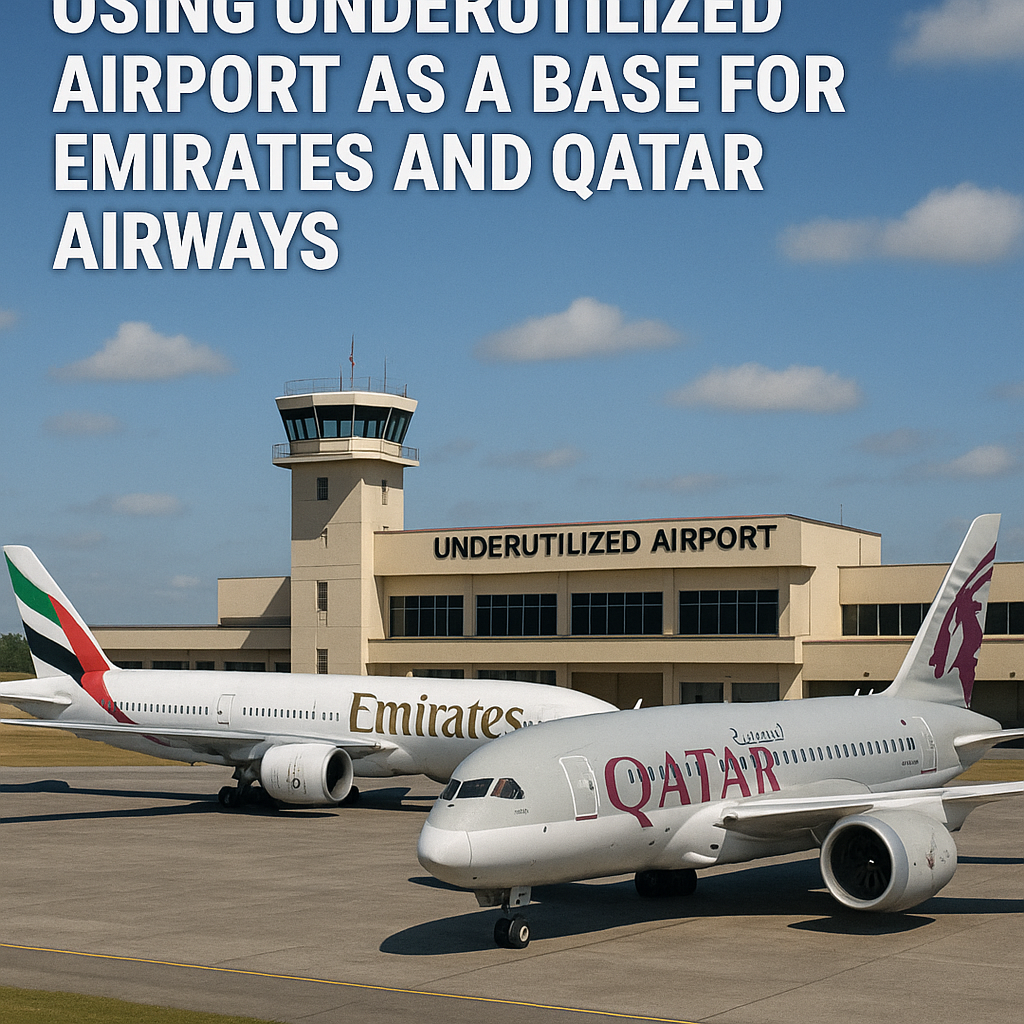
Considering these challenges, Sri Lanka has surfaced as a prospective alternate hub for Emirates and Qatar Airways. The Sri Lankan government has begun talks with these airlines, suggesting Mattala Rajapaksa International Airport (HRI) as a suitable choice. Dubbed the “ghost airport” because of its limited use since it opened in 2013, Mattala provides a distinctive opportunity for these carriers. Its strategically advantageous location along popular Indian Ocean aviation routes makes it particularly appealing, especially since it is positioned south of the ongoing conflict areas.
**Economic and Logistical Factors**
For Sri Lanka, promoting Mattala as a hub could deliver an essential economic uplift, particularly as the crisis in the Middle East has caused a downturn in tourism. The airport’s location facilitates connecting flights among Europe, Africa, Asia, and the South Pacific. Nevertheless, the practicality of this initiative relies on various logistical elements. Although the airport can handle large aircraft such as the A380, establishing the required infrastructure, including ground services, catering, and lodging, poses considerable hurdles.
**The Way Forward**
While the prospect of rerouting operations via Sri Lanka is encouraging, the speed at which such a transition could take place remains dubious. Current predictions among airlines suggest that the geopolitical environment will normalize shortly, permitting a return to standard operations. However, if conflicts continue, the establishment of a temporary foreign hub may become essential. The determination will ultimately depend on the length of the crisis and the airlines’ agility to quickly adapt to new operational environments.
**Conclusion**
Sri Lanka’s proposition to serve as a hub for Middle Eastern airlines offers a strategic possibility amid ongoing aviation disturbances. Although the idea has potential advantages for both the airlines and Sri Lanka, the effective execution of such a strategy necessitates thorough planning and consideration. The aviation sector will be keenly observing how this situation develops and whether Sri Lanka’s “ghost airport” can evolve into a vibrant hub for international travel.