The hobby of miles and points has undergone significant transformation over the years, evolving from a specialized interest into a mainstream pursuit. This transition has introduced both benefits and drawbacks. On the bright side, the opportunities to accumulate points have expanded, with more options accessible than ever before. Conversely, the negative aspect is that the prime deals and effective redemption chances have decreased relative to earlier times.
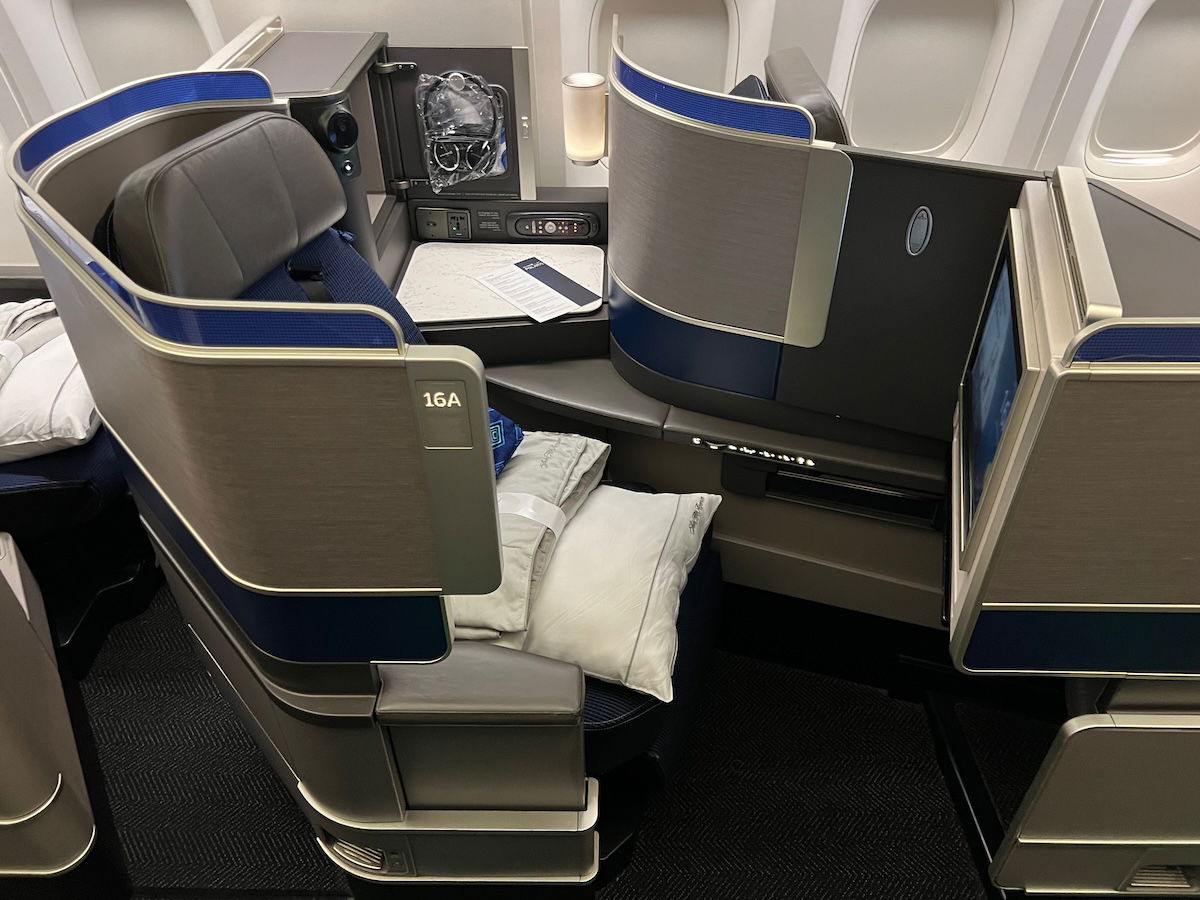
A significant shift has taken place with United Airlines regarding award availability, particularly concerning their Polaris business class. In the past, United was recognized for providing saver level Polaris business class award seats on long-haul routes to members of partner frequent flyer programs, akin to what was offered to its own MileagePlus members. These seats were frequently released near departure if there were unsold seats, offering flexibility for travelers.
Recently, this pattern has changed. United has essentially ceased to offer Polaris business class awards to partner frequent flyer programs such as Air Canada Aeroplan and Avianca Lifemiles. The availability has nearly vanished, indicating a major alteration in their strategy.
United has now restricted saver level Polaris business class award availability as a benefit for those who hold MileagePlus Premier elite status or a co-branded MileagePlus credit card. This tactic aligns with the airline’s objective to enhance interaction with its loyalty program, which serves as a significant revenue generator. By providing lower award costs to credit card holders and elite members, United encourages travelers to acquire their credit cards and pursue elite status.
For instance, a flight from Newark to Marrakech could require 200,000 miles for a Polaris business class award, but cardholders or elite members might only need to spend 80,000 miles. United employs special inventory classes like “IN” for these members, reserving the most valuable awards for those most involved with MileagePlus.
This trend of restricting awards to a select group of members is increasingly prevalent across the industry, making the task of arranging multi-carrier awards more complicated. It underscores the growing challenges of utilizing Star Alliance miles for transatlantic travel.
In conclusion, United’s strategy surrounding Polaris business class award availability has shifted, concentrating on benefiting its own program participants. Although this optimizes engagement and profits for United, it adds complexity to the realm of maximizing miles and points. The progression of the miles and points hobby continues to introduce new obstacles for travelers.