**Grasping the Flight Attendant Trip Trading Debate**
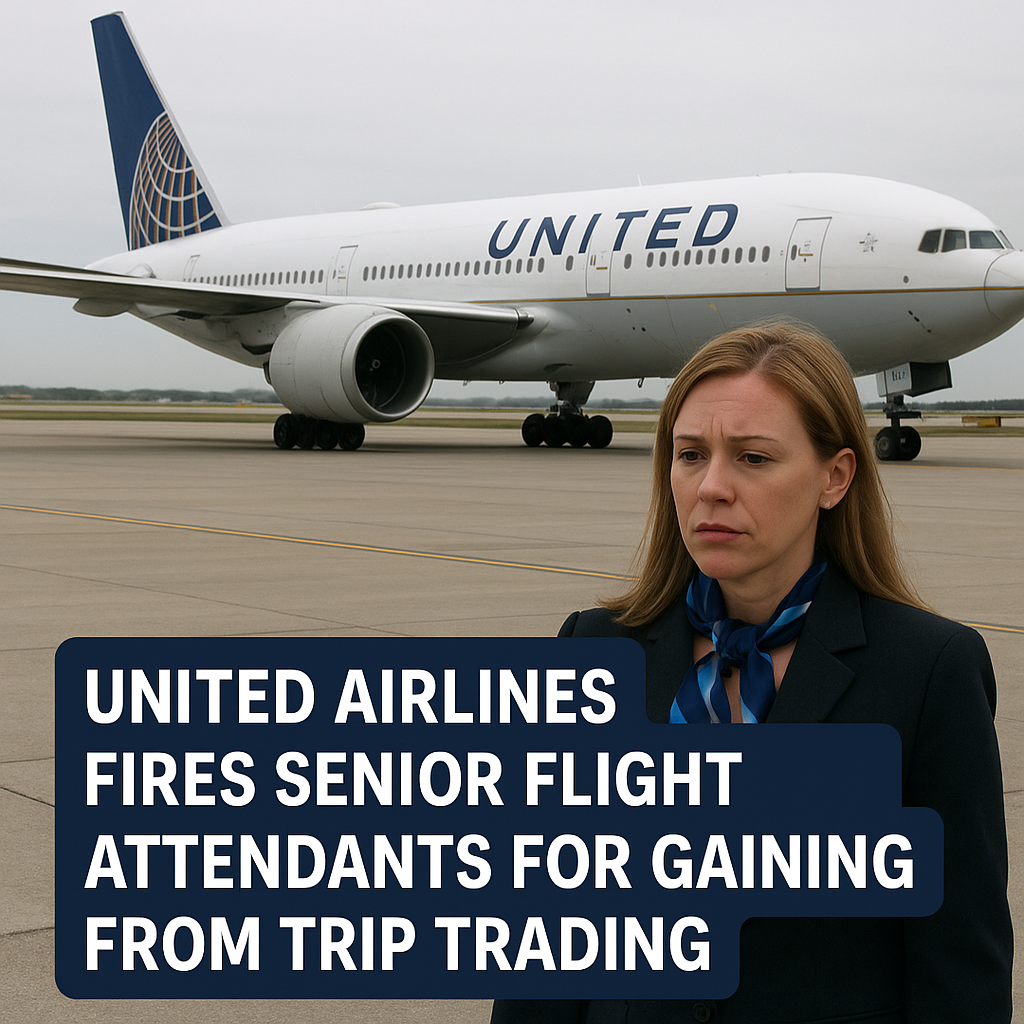
Flight attendants are vital for maintaining the safety and comfort of airline travelers. Nonetheless, an intricate system dictates how these professionals receive their work assignments. A recent dispute has surfaced involving veteran flight attendants at United Airlines, who have been accused of taking advantage of this system for their own benefit.
**The Trip Bidding Mechanism**
In the airline sector, flight attendants’ schedules are generally set through a bidding process based on seniority. Monthly, attendants express their trip preferences, and a computerized system allocates flights accordingly. Veteran flight attendants frequently obtain the more sought-after long-haul flights, which provide more hours and appealing destinations.
**The Rise of Trip Trading for Profit**
Although trip trading is a prevalent practice among flight attendants, some senior attendants have transformed it into a lucrative side venture. They bid on profitable trips with no intention of actually flying, opting instead to sell these trips to less senior colleagues. This activity, similar to “trip pimping,” permits senior attendants to generate income without working, while junior attendants secure more hours and preferable routes.
**United Airlines’ Response**
United Airlines has adopted a stringent position against this activity, which jeopardizes the seniority framework and equity among staff members. The airline has begun dismissing flight attendants found guilty of trip sales. The Association of Flight Attendants-CWA, which represents United’s crew, has voiced worries about the rising terminations and is promoting fair investigations and reinstatements when justified.
**The Wider Industry Viewpoint**
Interestingly, not every airline enforces strict regulations against trading trips for money. While United, American, and Delta forbid it, airlines like Alaska, Frontier, JetBlue, and Southwest impose no such limitations. This variation underscores the differing strategies within the industry regarding trip trading.
**Closing Thoughts**
The situation at United Airlines illuminates the intricacies of flight attendant scheduling and the ethical issues connected to trip trading for profit. As the airline upholds its policies, the discussion over the fairness and consequences of such practices within the aviation sector persists.