Over the last week, conversations have heightened concerning the possible government bailout of Spirit Airlines, which is on the verge of liquidation. Should the bailout be approved, it may lead to the government obtaining a 90% share in the budget airline. This scenario has generated discussions about a more extensive industry bailout, which appears to be increasingly imminent.
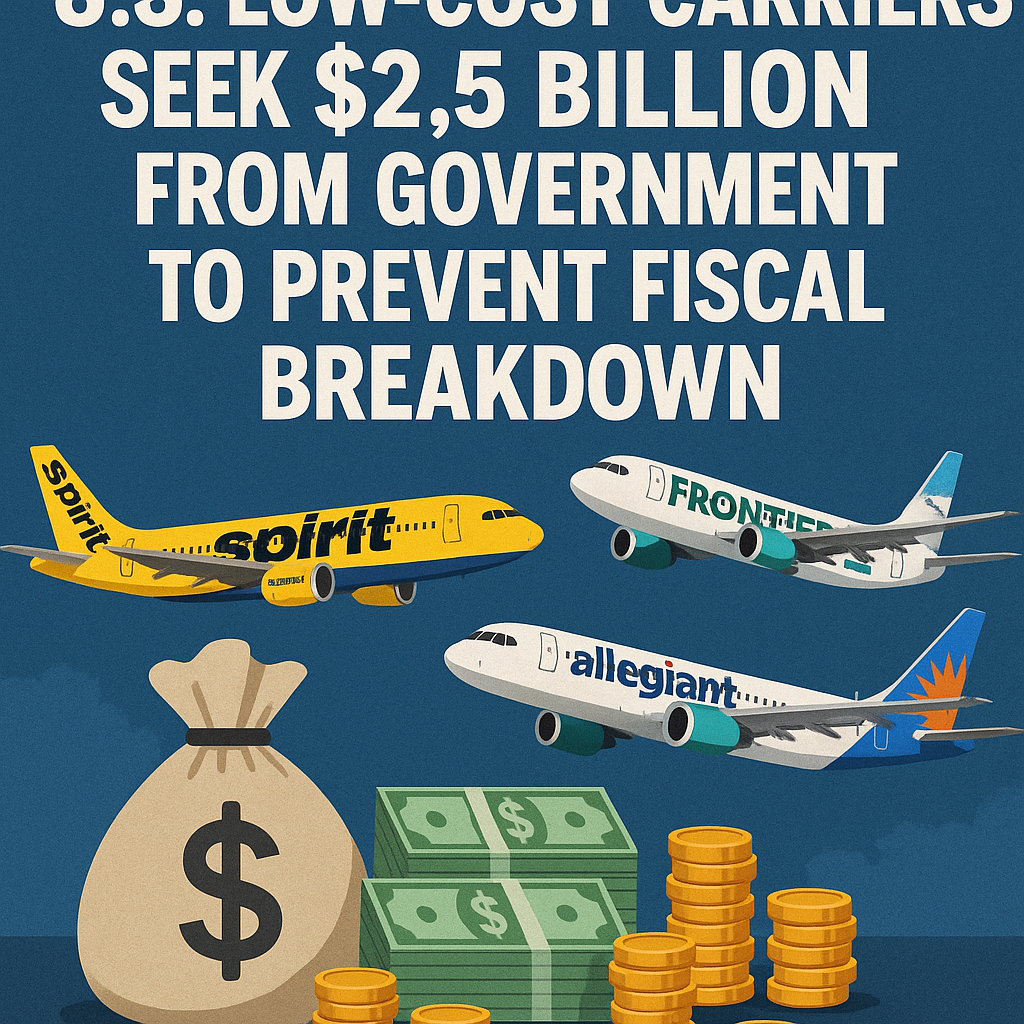
US budget airlines are under financial pressure due to skyrocketing fuel prices. The Wall Street Journal mentioned a meeting on April 21, 2026, that included CEOs from various US budget airlines, Transportation Secretary Sean Duffy, and FAA Administrator Bryan Bedford. Among those present were executives from Frontier and Avelo, among others. The airlines are pursuing a $2.5 billion aid package to mitigate the rising fuel costs, with jet fuel prices surpassing $4 a gallon. The suggested aid may consist of warrants that could convert into equity stakes.
The Iran war has intensified the difficulties for airlines, with full-service carriers managing to increase fares, while budget airlines are struggling due to their price-sensitive clientele. The notion of a government bailout for Spirit Airlines raises alarms, as the airline was already nearing liquidation prior to the surge in fuel prices, having undergone Chapter 11 bankruptcy on two occasions. There are concerns regarding Spirit’s long-term sustainability and the effect on competition, particularly as Trump’s intention seems geared towards selling the airline, which may not maintain competition among ultra-low-cost carriers.
The idea of nationalizing the airline sector is a divisive issue, with apprehensions about the government holding equity in distressed airlines. This situation brings to mind the $54 billion government aid during the pandemic, but currently, airlines such as Delta and United are performing well, while others struggle. The difficulty lies in extending appropriate support without the government owning all unprofitable airlines.
In summary, US value carriers are in a crisis due to unmanageable fuel costs. They have suggested a $2.5 billion support package, potentially convertible into equity. Without assistance, more bankruptcies and liquidations are likely, but government control over the low-cost airline industry presents its own challenges. The situation remains intricate, with no clear end in sight.