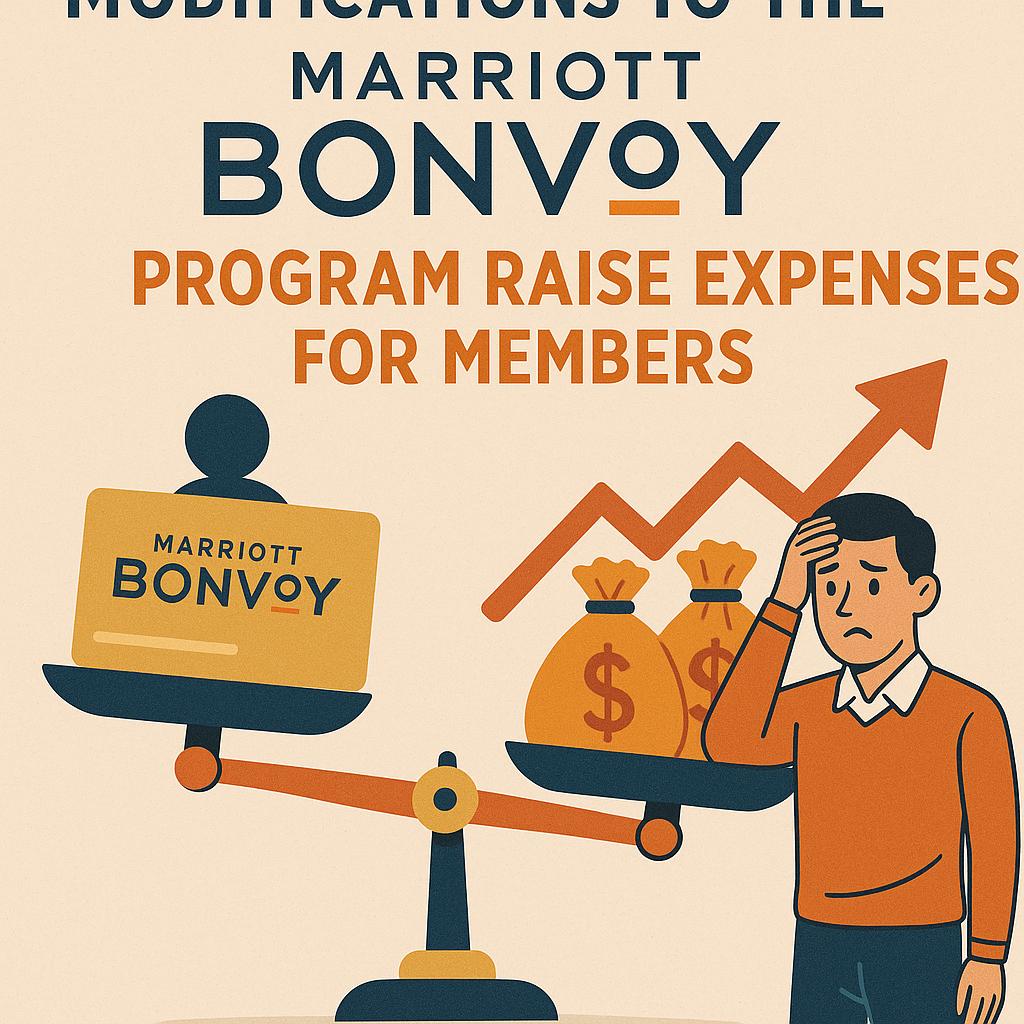
Marriott’s CEO Anthony Capuano recently disclosed perspectives on the shifting economics of the Marriott Bonvoy program, emphasizing modifications that could affect both hotel proprietors and Bonvoy participants. During the Q2 2026 earnings conference call, Capuano stated that the company has decreased loyalty charge-out rates by around 5%, asserting that these are now the most competitive in the market. This action aims to alleviate pressure on hotel owners by lowering the fees Marriott imposes for granting points to Bonvoy participants.
Moreover, Marriott has augmented the reimbursement rates for hotels when Bonvoy points are utilized during peak-demand nights. This adjustment is designed to render award stays more economically attractive for hotel owners, particularly when occupancy levels are nearly at capacity.
Nonetheless, these changes may not be favorable for Bonvoy participants. With Marriott cutting its revenue from loyalty charges and raising payments to hotels, there is speculation that the company may choose not to absorb these expenses but may instead transfer them onto members via the devaluation of Bonvoy points. This could result in increased point requirements for award stays, especially during peak periods.
The adjustments are in line with industry patterns, as other hotel brands such as Hilton Honors are also offering financial relief to hotel proprietors. Marriott’s approach includes broadening the Bonvoy program, which currently has 295 million members, and updating co-branded credit card options to improve profit margins.
While these revisions aim to balance the needs of hotel owners and Marriott’s profitability, they raise apprehensions regarding the future worth of Bonvoy points for participants. As Marriott continues to modify the economics of its loyalty program, members may need to prepare for potential devaluations and revise their redemption strategies accordingly.